


UP TO 50% OFF + Free Gift at £200+
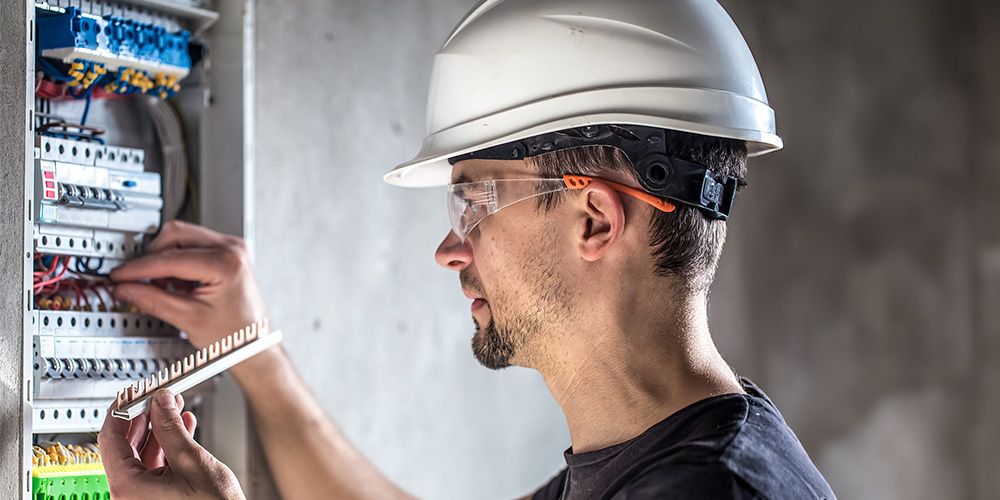
Do you want to be sure that your LED high bay performs optimally and is installed safely? In this article, you will learn what to pay attention to when connecting your LED high bay, from the correct cable selection to protection against dust, water and heat.
A safe connection starts with the right cable. For LED high bays, a 3-core cable (L, N, PE) is typically used, with a minimum thickness of 1.5 mm², depending on the wattage and the distance to the power source. Always use heat-resistant cables with a rubber or neoprene sheath (H07RN-F); these withstand higher temperatures and vibrations, making them ideal for industrial environments.
A proper cable entry is essential for the lifespan of your LED high bay. Use waterproof cable glands (at least IP65) and always seal the housing properly. This keeps your warehouse lighting protected against dust and moisture, even in areas with high humidity or dust formation, such as factory halls.
It is recommended to check annually whether the sealing rings are still intact. A small tear can eventually lead to condensation and reduced light output.
LED high bays are designed for efficiency and long lifespan, but heat remains their biggest enemy. Always install your fixtures away from direct heat zones and ensure sufficient ventilation around the fixture. Keep at least 50 cm distance from heat sources and other obstacles so excess heat can dissipate properly. Excessive temperatures can shorten the lifespan of the LED driver by up to 30%.
A properly connected LED high bay not only ensures safe operation but also maximum efficiency and longer lifespan. Use the right cables, ensure waterproof connections and avoid heat. This way, you will enjoy reliable, energy-efficient industrial lighting for many years.


